


The Role of a Quantity Surveyor in Sustainability
Driving sustainable construction through effective cost management.
As sustainability becomes a core priority in the construction industry – supported by the UK’s Net Zero 2050 target – the role of the Quantity Surveyor (QS) has evolved beyond traditional cost control to include the integration of environmental and social value into commercial decision-making.
Sustainable construction seeks to minimise carbon emissions, enhance climate resilience, protect biodiversity, and deliver positive social outcomes – all while ensuring long-term economic value. QSs play a key role in supporting these objectives from planning through to delivery, helping to champion sustainable materials, energy-efficient technologies, and environmentally responsible practices.
Procurement
A project’s environmental impact is significantly influenced during the procurement and tendering stage. QSs support key decisions by:

Talk to our experts


Advising on sustainable and ethically sourced materials, products and suppliers
Providing cost comparisons between conventional and lower-carbon alternatives
Identifying opportunities to use locally sourced materials to reduce transportation emissions
Evaluating the whole-life cost implications of material and product choices
This approach ensures procurement strategies support both sustainability objectives and overall project viability.
Cost estimation and whole-life costing
While sustainable solutions are often perceived as having higher upfront costs, QSs are well placed to assess their long-term economic and environmental value. Through robust cost planning and whole-life costing, a QS can:
Analyse long-term operational, maintenance and replacement costs
Evaluate lifecycle impacts, including embodied and operational carbon
Assess the financial implications of achieving recognised sustainability standards, such as BREEAM
Compare capital cost impacts against long-term energy savings and asset performance
Accurate forecasting enables stakeholders to make informed decisions that balance initial expenditure with long-term value.
Cost control
Effective cost control is essential to delivering sustainable construction without compromising budget constraints. QSs contribute by:
Monitoring expenditure and identifying cost-saving opportunities
Applying value engineering to balance sustainable objectives with cost efficiency
Working collaboratively with designers and contractors to ensure sustainability requirements are maintained
This structured approach helps ensure environmental objectives remain achievable as the project progresses.
Risk management
Sustainable construction can introduce specific risks, including those related to regulatory compliance, emerging technologies and supply-chain constraints. QSs support the management of these risks by:
Undertaking detailed commercial risk assessments
Identifying potential cost or programme implications as early as possible
Supporting risk mitigation strategies that align with sustainability and budget objectives
This proactive approach helps manage the commercial impacts associated with delivering sustainability goals.
Digital Technology
The integration of digital technology particularly Building Information Modelling (BIM) – enhances the QS’s ability to model sustainability scenarios and optimise environmental outcomes. Data analytics and digital tools can support environmental impact assessments and help identify cost-effective opportunities to improve building performance across its life cycle.
Conclusion
Through collaboration with project teams, QSs play an important role in aligning sustainability objectives with robust commercial management across design, procurement, construction and handover. Their expertise in cost planning, lifecycle analysis, procurement strategy, and risk management enables informed, environmentally responsible decision making that remains commercially viable.
As a result, projects can retain long-term value while responding to evolving environmental and regulatory challenges.
Sustainability excellence
How SOCOTEC Forensics & Advisory can support your sustainability goals

SOCOTEC Forensics & Advisory provides quantity surveying services from early design through to project handover, supporting clients in delivering sustainable and commercially viable projects.
Our QS team ensures financial models reflect both the true environmental and economic implications of design decisions, enabling informed decision‑making and the creation of long‑term value.
SOCOTEC Forensics & Advisory provides quantity surveying services from early design through to project handover, supporting clients in delivering sustainable and commercially viable projects.
Our QS team ensures financial models reflect both the true environmental and economic implications of design decisions, enabling informed decision‑making and the creation of long‑term value.
Project Highlight
MidKent College Decarbonisation Project
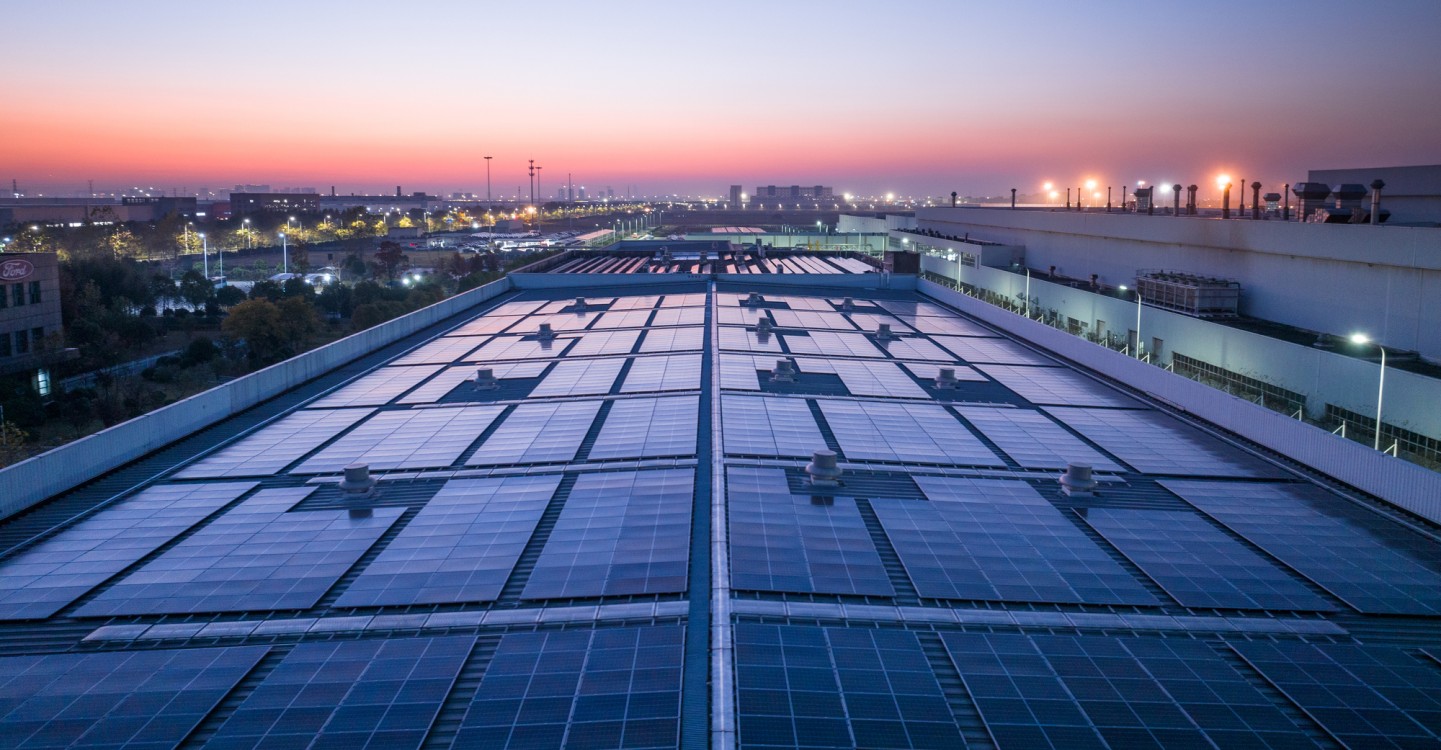
Our team is currently working on the MidKent College ZERO project, an initiative aimed at significantly reducing the college's environmental impact and achieving carbon neutrality (Net Zero) by 2030 across its Maidstone and Medway campuses.
The works for this contract focus on lowering energy consumption, reducing waste and pollution, and promoting sustainable practices throughout the college.
Our team is currently working on the MidKent College ZERO project, an initiative aimed at significantly reducing the college's environmental impact and achieving carbon neutrality (Net Zero) by 2030 across its Maidstone and Medway campuses.
The works for this contract focus on lowering energy consumption, reducing waste and pollution, and promoting sustainable practices throughout the college.
Want to find out more about our services?